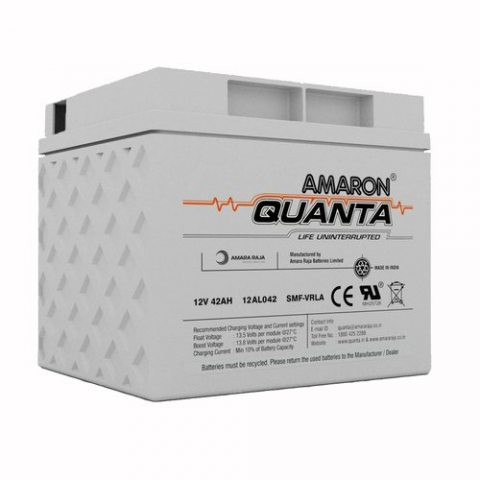
AMARON QUANTA SMF (12V) – 2 Years warranty
AMARON QUANTA HWS (12V) – 2 Years warranty
AMARON QUANTA HUPS (12V) – 2 Years warranty
LEAD ACID INDUSTRIAL TUBULAR BATTERIES
Amaron Quanta S-XEL (12V)
Amaron Brute (2V)
LEAD ACID SOLAR BATTERIES
Amaron Solar (12V, Tubular)
Amaron Solar (12V, SMF)
VRLA Exide Powersafe plus
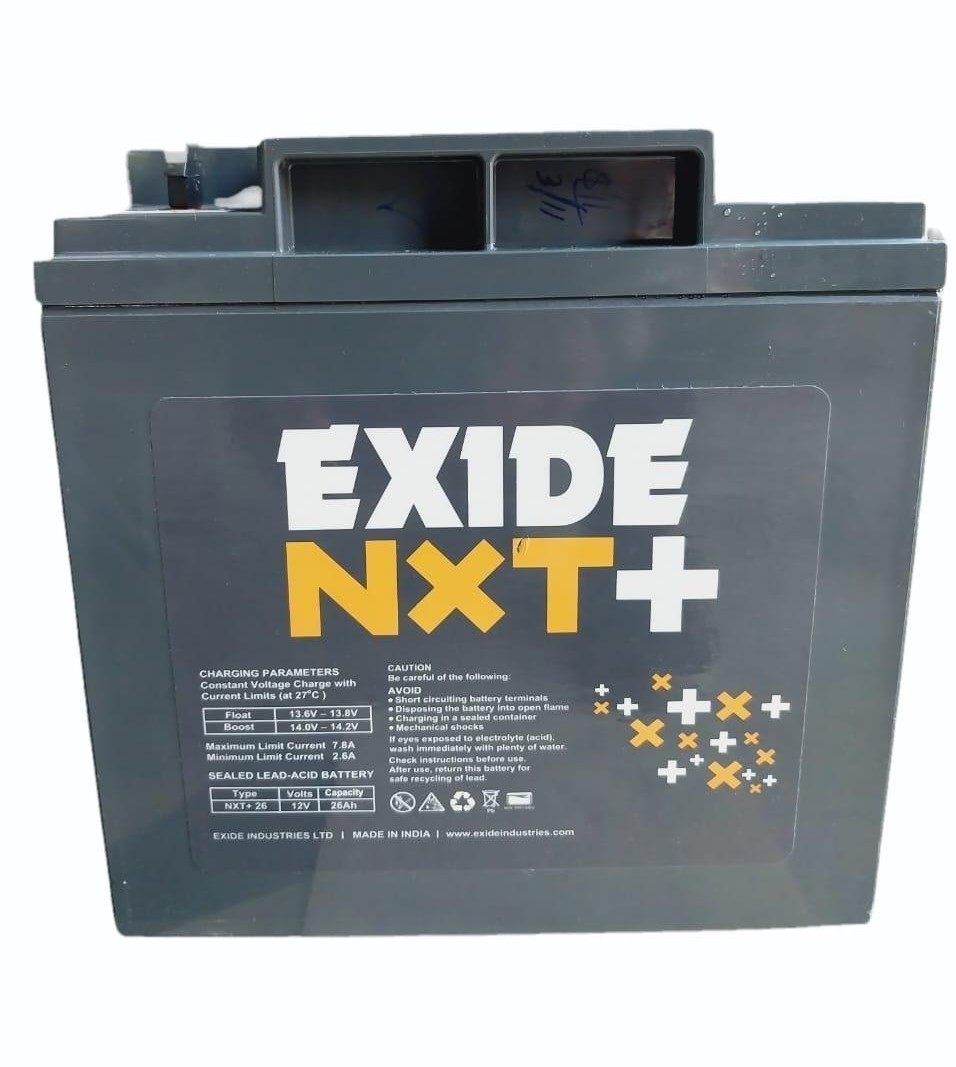
VRLA Exide NXT Plus Range
(3 Years warranty)
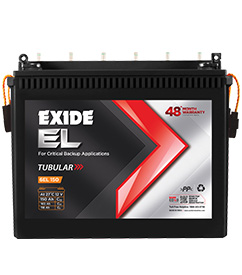
Exide Tubular – FLOODED 6EL Range
(4 Years warranty)
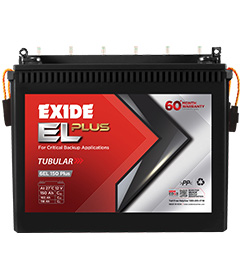
Exide Tubular – FLOODED 6EL Plus Range
(5 Years warranty)
Phospage (LiFePo4) Batteries
A UPS provides power to equipment when utility power is not available. This requires a reliable and capable battery to provide power backup function during such critical events. Due to a UPS’s safety requirements and high energy demand, the best suited lithium-ion chemistry is LiFePO4 (Lithium Iron Phosphate). Iron Phosphate: Safe, Cathode Material Selecting the proper Lithium Battery chemistry for a UPS is very important. There are many shared characteristics and materials amongst the different lithium battery chemistries. LiFePO4 and other Lithium-Ion Batteries are in the same category as they all use Lithium Ions as the main charge carrier within the cell.
A key difference in Lithium-Ion chemistries is in the cathode material. Lithium Iron Phosphate is a very stable chemistry that offers superior thermal and chemical properties resulting in a highly reliable, safe and long-lasting Battery. The LiFePO4 Battery is also non-toxic and safe for the environment since it has no caustic materials or dangerous odors. For comparison, a Lithium Cobalt Oxide Battery Cell has a nominal Voltage of about 3.6 Volts. This results in higher energy capacity but can produce more heat in the electrolyte that causes break down and reduces the capacity. The higher thermal potential reduces stability and increases the possibility of gassing which can lead to rapid venting and combustion.
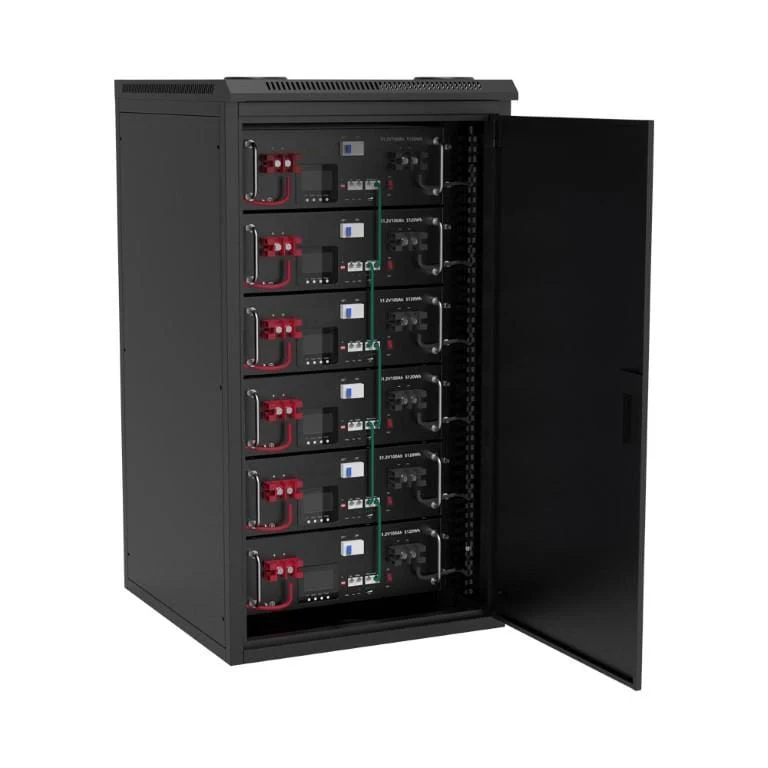
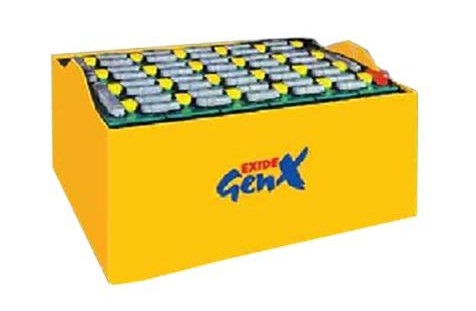
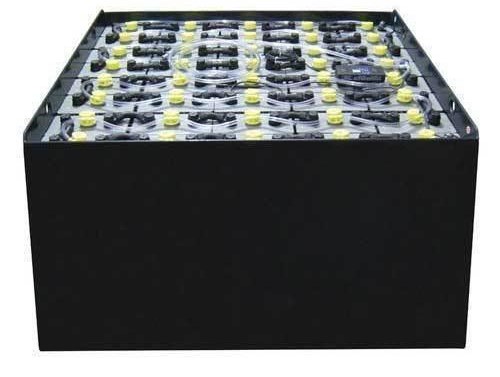
Traction batteries are specialized, high-capacity rechargeable power sources designed for deep-cycle applications in electric vehicles, forklifts, mining locomotives, and industrial equipment. They provide a steady, durable energy flow to electric motors and often serve as structural, heavy-weight components for stability.